Learn About brewery tours
Learn About brewery tours
Blog Article
Extraordinary Wine Visits: Investigate the Best Vineyards for an Remarkable Experience
Remarkable wine tours deliver a one-of-a-kind possibility to explore some of the world's superior vineyards. From the rugged hills of Napa Valley to the rolling landscapes of Tuscany, each region has its own distinct charm. Visitors can engage in guided tastings and uncover the intricate process of winemaking. However, the genuine essence of these tours lies in the experiences they provide. What makes a vineyard truly memorable? The answer reveals itself in the details of each journey.
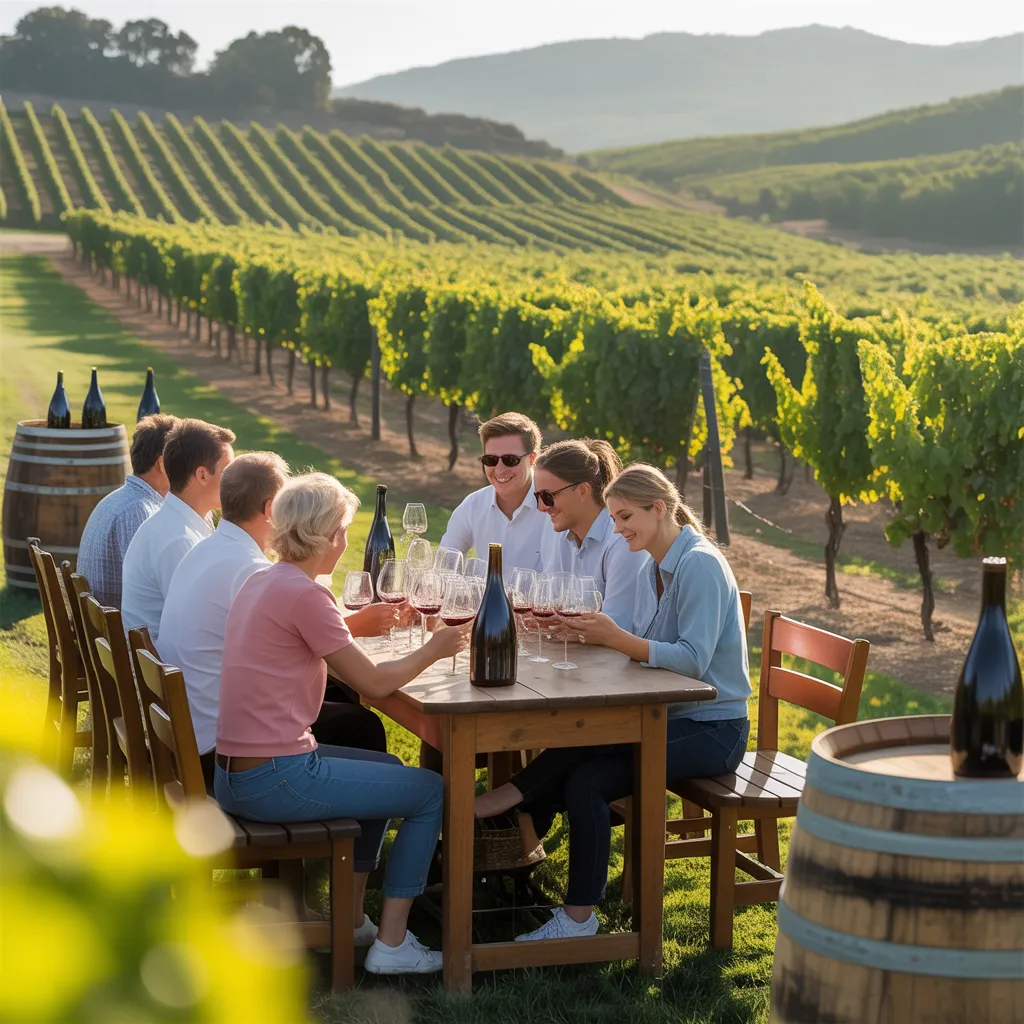
Top Wine Areas to Explore
Wine connoisseurs set out on expeditions to explore the world's premier wine regions, each providing distinctive tastes and experiences. The rolling hills of Napa Valley call with its rich Cabernet Sauvignons and lively Chardonnays, drawing visitors keen to engage in its sun-bathed vineyards. Meanwhile, Tuscany enchants with its scenic landscapes and renowned Sangiovese wines, providing a taste of Italian heritage and tradition. The Bordeaux region of France stands as a beacon of sophistication, celebrated for its complex blends and centuries-old winemaking practices. In Australia, the Barossa Valley captivates with its powerful Shiraz and innovative wineries, showcasing a combination of tradition and modernity. Finally, the vibrant landscapes of South Africa's Stellenbosch region offer a diverse array of wines, from robust reds to invigorating whites, making it an must-visit for any wine enthusiast. Each region presents an rich tapestry of culture, history, and, of course, exceptional wines.
Experiential Attractions at Notable Vineyards
Investigating celebrated vineyards discloses considerable experiential highlights that strengthen the immersion in wine culture. Several vineyards extend guided tours overseen by expert staff, imparting insights into the winemaking process, from grape cultivation to fermentation. Attendees regularly have the possibility to partake in tastings that reveal a collection of wines paired with local cuisine, intensifying the sensory experience.
Unique gatherings, such as harvest festivals and blending workshops, provide visitors the chance to engage hands-on with the winemaking process. Some vineyards have scenic picnic areas where patrons can relax amidst breathtaking landscapes, creating a wonderful backdrop for enjoying their selections. Additionally, art installations and live music events amplify the atmosphere, making each visit memorable. Through these diverse offerings, notable vineyards not only educate but also build a profound connection between wine enthusiasts and the artistry behind each bottle.
A Tutorial to Creating the Excellent Wine Tour
An impressive vineyard adventure requires careful planning to promise a seamless experience. First, selecting the right locale is important; favored areas like Napa Valley or Bordeaux supply assorted options. Once the destination is picked, examine vineyards to identify those with unique offerings, from tastings to tours. It's advisable to formulate a even itinerary, granting time for investigation and relaxation without feeling rushed.
Then, think about transportation. Professional chauffeurs or structured group tours can boost protection and satisfaction. Reservations are often necessary, notably at well-known wineries, so booking in advance is recommended. Additionally, time of year can influence the experience—harvest season is energetic yet packed.
Ultimately, assembling key items like a eco-friendly water bottle, sunscreen, and ergonomic footwear ensures readiness for a day of discovery. By methodically arranging these full article elements, one can construct a wine tour that is both memorable and enjoyable.
Learn How to Pair Wine With Local Fare?
Finding the suitable selection can elevate a meal, particularly when matched with regional food traditions. The key depends on understanding the flavor notes of both the dish and the vintage. As a case in point, a refreshing Sauvignon Blanc enhances light aquatic proteins, boosting its original brininess. Full, weighty red wines like Cabernet Sauvignon work well with hearty meat courses, yielding a harmony of flavor profiles.
Local ingredients commonly establish the best wine choices. In zones known for spicy dishes, such as Thai cuisine, an off-dry Riesling can moderate the heat. By contrast, traditional pasta dishes might suggest a medium-bodied Chianti, which meshes with tomato-based sauces.
Exploratory eaters should also take into account regional specialties. A local wine, created from indigenous grapes, often represents the essence of the area and can offer a memorable gastronomic adventure. Ultimately, the right pairing showcases the culinary heritage, making each meal an unforgettable journey through local flavors.
Seasonal Programs to Optimize Your Vineyard Adventure
Seasonal festivals at wine properties can reshape a typical visit into a energetic festivity of beverages and arts. During harvest season, many wine facilities hold grape-picking events, allowing visitors to participate the venerable tradition. This participatory adventure often offers expert tours, flavor experiences, and public meals featuring local cooking.
In spring, many vineyards organize blossom festivals, showcasing the beauty of flowering grapevines. Attendees can enjoy open-air wine samplings, musical performances, and art installations, creating a festive atmosphere.
Throughout summer, events typically offer outdoor live music or movie nights among the vineyards, improving the sensory experience with food trucks and wine pairings.
As the foliage turn in autumn, seasonal feasts become popular, where chefs craft special menus using fresh ingredients. These events not only provide culinary delights but also foster a deeper connection to the land and its products, making each visit memorable and enriching.
Environmentally Responsible Initiatives in Vineyards Today
As the need for eco-conscious wines increases, many vineyards are adopting sustainable practices that prioritize ecological balance and social responsibility. These practices include natural cultivation, which eliminates synthetic pesticides and fertilizers, promoting healthier soil and biodiversity. Additionally, many vineyards are adopting regenerative agriculture techniques that concentrate on restoring ecosystems and enhancing resilience against climate change.
Preservation of water represents another important factor, as vineyards deploy drip irrigation systems to cut down on waste. Some are even leveraging rainwater harvesting to lessen dependence on local water sources. Additionally, renewable energy sources, including solar panels, are progressively fueling operations, reducing carbon footprints.
Community participation also plays a crucial role; vineyards are sourcing local ingredients and collaborating with adjacent enterprises to support local markets. By adopting these sustainable practices, vineyards not only contribute to ecological wellness but also offer consumers an chance to enjoy wines that demonstrate a dedication to responsible stewardship.
Finding the Ideal Vineyard that Matches Your Preferences
Selecting the ideal vineyard requires comprehending individual wine preferences, including varietals that appeal to one's palate. Furthermore, the climate and vibe of a vineyard can greatly enhance the tasting experience. Prospective visitors should also take into account the range of touring options and activities available to warrant a lasting outing.
Wine Options and Choices
How can one move through the extensive range of wine varietals to find a vineyard that fits with personal preferences? Recognizing individual taste is paramount. Wine enthusiasts often go for specific varietals such as Cabernet Sauvignon, Pinot Noir, or Chardonnay, each offering distinctive flavor profiles. To design a vineyard visit, one should consider what flavors matter most—whether fruity, earthy, or spicy. Reviewing vineyards known for particular varietals can boost the experience. Many vineyards also offer tastings, allowing visitors to sample before committing to a purchase. Additionally, consulting with seasoned staff can convey insights into less familiar wines that may harmonize with established preferences. Ultimately, selecting the right vineyard copyrights on a blend of personal taste and examination of the available varietals.
Vineyard Environment and Feeling
The feel of a vineyard can powerfully boost the overall tasting adventure. A vineyard's atmosphere functions as an indispensable component in creating ambiance for wine enthusiasts, influencing their perception of the wines. Some vineyards deliver quaint charm, with sweeping vistas and charming architecture, stirring a sense of serenity. Others can deliver elegant modernity, highlighting modern aesthetics and contemporary art, drawing those seeking elegance. The setup of table arrangements, outdoor spaces, and striking vistas can also influence the vibe, encouraging guests to linger longer. Finally, choosing a winery that resonates one's unique tastes can enrich the tasting journey, making it beyond the wine but also about the journey itself.
Tour Choices and Experiences
What creates a vineyard tour truly memorable? The range of tour alternatives and activities holds an important role in elevating the experience. Many vineyards feature guided tastings, where visitors can sample a curated variety of wines combined with local cheeses or charcuterie. For a more engaging experience, some vineyards conduct behind-the-scenes tours, revealing the winemaking process from grape to bottle. Educational workshops on wine combining or blending can also deepen one’s knowledge. Additionally, outdoor activities such as vineyard hikes or picnics amidst the vines allow guests to interact with the landscape. Choosing the right vineyard means matching personal preferences with available activities, securing a unique and enjoyable adventure crafted to individual tastes.
Commonly Asked Questions
What Attire Is Ideal for a Wine Estate Tour?
When going on a vineyard tour, comfortable clothing is essential. Lightweight, breathable fabrics, a broad-brimmed hat for sun protection, and sturdy shoes are recommended. Wearing layers can handle varying temperatures, making sure of an enjoyable time throughout the day.
Do Wine Tours Permit Young ones?
Many vineyards welcome children on excursions, but regulations vary. Some offer activities for families, while others may limit access to specific zones. It's sensible to check particular vineyard policies before scheduling a visit with children.
What Timeframe Can You Anticipate for Wine Tours?
Vineyard tours typically extend between one to four hours, contingent on the vineyard's options and the itinerary. Attendees often relish tastings, guided walks, and educational sessions, deepening their appreciation for wine and the production process.
Am I allowed to bring My Own Food to a Vineyard?
Several vineyards maintain clear regulations relating to outside food. Some might authorize it, while others strictly prohibit it. Guests should confirm each vineyard's policies beforehand to prevent any issues during their vineyard visit experience.
Are Animals Allowed at Vineyards?
Many vineyards allow pets, but rules vary. Some embrace canines on leashes, while others may restrict animals to certain areas or during functions. It's important for attendees to review each vineyard's pet policy in advance.
Report this page